Delco's New EMS Authority Set Its Fee at $95 a Household
The board set fees for dwellings, businesses, colleges, nursing homes and road miles — and residents have 45 days to object before anything is final.

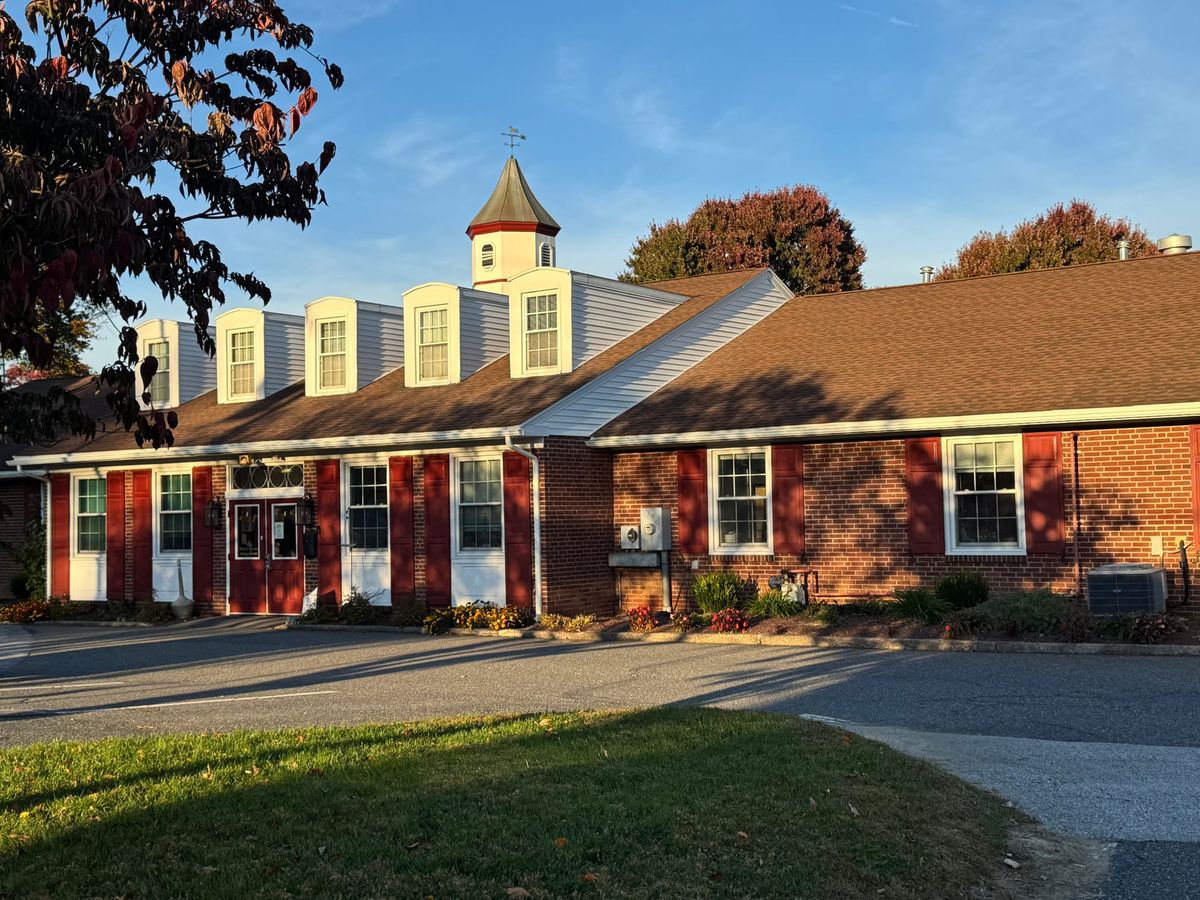
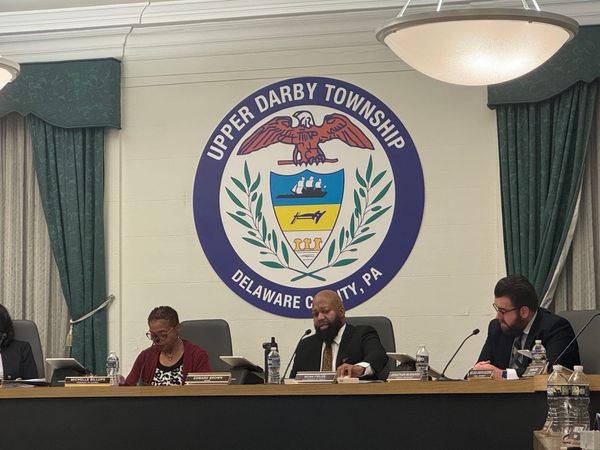
The Municipal Emergency Medical Services Authority (MEMSA) of Delaware County held its first board meeting and set the fees it intends to charge. For most households in the five municipalities that make up the authority, that number comes out to $95 a year.
MEMSA is the authority formed out of the collapse of Crozer Health. The membership makes up Nether Providence, Rose Valley, Rutledge, Swarthmore and Upper Providence.
The board approved advertising the fee scheduled, which starts a 45 day objection period for municipalities and residents ahead of a public fee hearing. Nothing will be final until that hearing happens.
What the fees would be
Category — Annual fee
Dwelling — $95
Business or government use — $250
Road mile (paid by the municipality) — $1,250
College, per overnight student — $45
Long term care, per licensed bed — $527
Nursing home, per licensed bed — $990
That schedule raises roughly $2.1 million. It was the middle of three options the working group brought to the board, between a $2.2mil version and a $2mil version with a smaller $200 business fee.
A dwelling is any residence: a single family house, an apartment, duplex, townhouse, or condo. An apartment building is billed per unit, whether the units are occupied or not, and the bill goes to the property owner. Home-based businesses don’t pay a separate business fee unless they bring employees or customers to the house.
For your property…
A single family homeowner pays $95 per year.
A duplex owner pays $190, because the fee is per dwelling rather than per parcel. So the owner of a 20 unit apartment building pays $1,900, regardless of whether or not every unit is occupied.
A property with a storefront and three apartments above it generates $535 (one business fee and three dwelling fees) and the whole bill goes to the property owner, not the tenants or the business.
Fees are charged once a year and property owners are allowed to appeal how their property is classified.
Nothing is exempt
The only properties that don't have to pay the fee are vacant lots and unoccupied businesses. Nonprofits, schools, government buildings and colleges all fall under the business fee, with separate per-student fees on top for institutions.
This is the point of going with a fee-based system. A property tax can’t reach tax exempt institutions, but a fee can.
The data behind it all
The working group pulled the most recent 20 months of 911 call data and matched every call address against county tax parcel records so they could see which kinds of property actually drive EMS calls.
Dwellings accounted for somewhere in the mid 60's percent of calls, which is why the residential fee carries $1.23mil of the roughly $2mil total. Businesses ran 10 to 15 percent, with road calls close to 10, which is the reason municipalities are charged per road mile at all. Swarthmore College came in around 3 to 4 percent. And a single nursing home accounted for close to 10 percent of all EMS calls across the five municipalities.
If you don’t pay
The board can place liens on properties for unpaid fees. That is what the MESA of Lancaster County does, which is the authority the MEMSA is modeled on.
MEMSA’s fee schedule deliberately raises a bit more than the budget needs, as a cushion.
Residents still get billed for the ambulance
The fee doesn’t replace billing, and insurance will be charged as usual.
This is because while the fees raise $2.1mil, the total projected expenses are in the $3mil range. That last third, about $1mil, is expected to come from billing. If billing were dropped entirely, the fee would have to go up to cover it. It would also leave leave insurance money on the table.
Residents of member municipalities, and anyone treated at an emergency room inside them, would get about 50% off the retail rate after insurance, to help those copays and high deductible plans. Uninsured residents would get the same discount. The board compared it to the subscription plans local departments already run.
The budget gap & when service starts
On deployment day, the plan is to have two ALS ambulances running 24/7, plus a weekday supervisor in a paramedic car. Target launch is before Q2 2027.
The gap between projected costs and projected billing revenue is $1.96mil in year one, rising to $2.3mil by year five.
Board President Max Cooper let everyone know that a 94% collection rate covers the year one budget (projections were built primarily off what Swarthmore Fire currently collects, since four of the five municipalities are already served by Swarthmore).
The decision that will matter most
The board voted for a nested nonprofit structure for who actually employs the paramedics. This is a model where staff are employed by a nonprofit partner, and then the authority licenses the units, owns the equipment and runs the day-to-day. This is explicitly permitted under the Act.
Two other options were available. One was direct employment, which would have offered a simpler structure and direct control, but was a legal gray area, since it is neither explicitly allowed or forbidden under the Municipal Authorities Act. And the other was full outsourcing to an existing EMS provider is the last option. It's cheaper and faster option to stand up, but the authority would run into a lot of the same issues that sparked the need for this authority in the first place. The board would have had limited oversight and could have had services terminated with only a 90 day given notice, leaving all five covered municipalities scrambling.
Cooper said legal durability mattered as much as financial durability for an organization providing this kind of service, making the nested nonprofit the better option. MEMSA now has to create that nonprofit and write the staffing agreements that govern it.
Why Media isn’t in it
Media Borough took part in the working group’s planning and declined to join, having determined it was less expensive to stay with its existing Main Line Health ALS contract.
The Board
Officers elected were Max Cooper of Nether Providence as president, Christen Rexing of Upper Providence as vice president, Thomas Moleski of Rutledge as secretary, and David Firn of Rose Valley as treasurer. Kristen Seymore of Swarthmore rounds out the board.
Everything else the board did
They approved the articles of incorporation and authorized a bank account at either PNC or WSFS. They also approved a contract with Microsoft 365 for email and records retention under the Sunshine Act and Right to Know.
Three subcommittees were created: bylaws, with Rexing and Firn; ambulance siting in Upper Providence, assigned to the consultants with Rexing as the board contact; and financing, loans and grants, with Cooper and Seymore.
The Delaware Valley Regional Finance Authority also presented on lending to municipalities and authorities, and is one of the sources the board is considering for startup capital alongside other municipal contributions and grants.
What’s next
The fee hearing has to be advertised, and municipalities and residents get 45 days to air objections before the fees are set.